Can You Trademark Your Website's Design? A Complete Guide


In the digital age, having a distinct and memorable website is crucial for businesses. The visual appearance of a website can significantly impact brand identity and customer perception. But can you protect your website's unique design from being copied by competitors? The answer lies in trademark law.
This article delves into the concept of trademarking your website's appearance, explaining what elements can be trademarked, the importance of trademarks for businesses, and the specific protections available under trade dress.
Protecting the Unique Look of Your Website
Trademarking the appearance of a website involves securing legal protection for the distinctive visual elements that set your site apart. The core idea behind trademark law is distinguishing one business's goods or services from another's. This typically happens through unique words, symbols, or a combination.
Identifying Unique Visual Elements
Image Source: UX Planet
To trademark a website's appearance, you must focus on inherently unique elements that serve as identifiers of your brand. These elements can include:
- Graphics: Unique graphics and design elements contribute to your site's overall look and feel.
- Icons: Specially crafted icons that are not commonly used in the industry.
- Color Schemes: Specific color combinations that are distinctive to your website.
- Logos: Custom-designed logos that are unique to your brand.
The Importance of Trademarks
Enhancing Business Identity
Trademarks are vital for businesses as they create a unique identity in the marketplace. B trademarking a name or a specific design element of your website helps consumers quickly identify your products or services, fostering brand loyalty and trust.
Building Consumer Trust
A strong trademark ensures that customers can recognize your brand, leading to repeated business. Consumers often rely on trademarks as indicators of quality and consistency, which can significantly influence their purchasing decisions.
Understanding the Limits of Website Features as Trademarks
Defining Trademarks
A trademark is a word, phrase, symbol, design, or combination that identifies and distinguishes the source of goods or services. However, not all elements of a website can be trademarked.
Limitations on Trademarking Website Elements
While certain design elements can be trademarked, there are limitations. Functional components or common design features essential for website operation typically do not qualify for trademark protection. Instead, these elements might be better protected under copyright law, which covers a website's specific layout or structure.
Trade Dress Protection for Website Designs
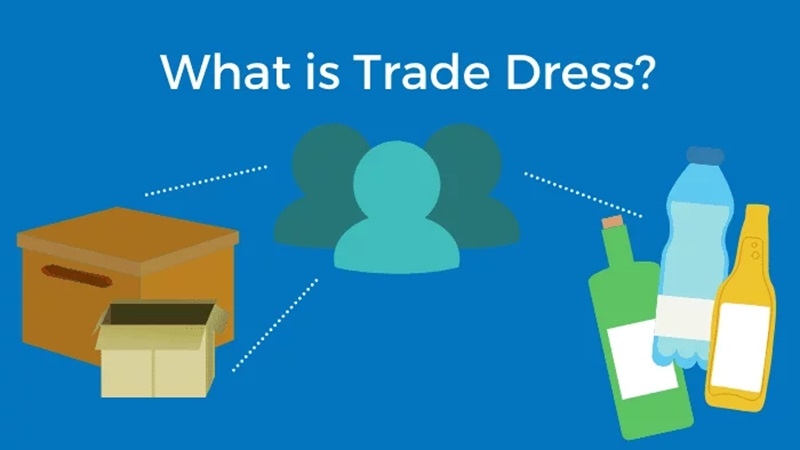
Image Source: Shoraka Digital
What is Trade Dress?
Trade dress refers to the visual appearance of a product or its packaging that signifies the source of the product to consumers. This concept applies to websites, where the look and feel can be protected under trade dress.
Requirements for Trade Dress Protection
To qualify for trade dress protection, a website's design must meet three criteria:
- Distinctiveness: The design must be inherently distinctive or have acquired distinctiveness through public recognition.
- Non-functionality: The design elements must not be functional. This means they cannot be essential to the use or purpose of the website.
- Likelihood of Confusion: If the design elements were copied, consumers would likely confuse the website's source with another.
Understanding Non-Functional Trade Dress
Defining Non-Functional Trade Dress
Non-functional trade dress refers to the visual characteristics of a product or its packaging that are not essential to its use but serve to identify its source. This includes the distinctive design, color, shape, or other visual elements that make a product or service recognizable to consumers. The importance of non-functional trade dress lies in its ability to create and protect brand identity without restricting the functional aspects that competitors might need to use.
Distinguishing Non-Functional from Functional Elements
Non-functional elements contribute to a product's aesthetic or distinctive look rather than its functionality. For example:
- Non-Functional Elements: Unique bottle shapes, decorative motifs, specific color combinations, or distinctive layout designs of a website.
- Functional Elements: Features that affect the products performance, such as the shape of a bottle designed for ease of pouring or the website layout that enhances user navigation.
Non-functional trade dress ensures that competitors cannot copy the visual aspects that make a product or website unique while still allowing them to use similar functional features.
Steps to Register Your Trademark
Filing a Trademark Application with the USPTO
You must file a trademark application with the United States Patent and Trademark Office (USPTO) to protect your non-functional trade dress. Here are the essential steps:
- Trademark Search: Before filing, conduct a comprehensive search using the USPTOs Trademark Electronic Search System (TESS) to ensure your trade dress is not already in use.
- Application Submission: You can submit your application through the Trademark Electronic Application System (TEAS). The TEAS Plus option streamlines the process and offers a reduced filing fee.
- Examination Process: After submission, your application will be reviewed by a USPTO examining attorney. If any issues arise, you will need to address them before proceeding.
Importance of Conducting a Trademark Search
Performing a trademark search is crucial to avoid potential conflicts and ensure your trademark does not infringe on existing trademarks. This step helps prevent legal disputes and provides a smoother registration process.
Using TEAS Plus and TSDR
TEAS Plus simplifies the application process by offering a more straightforward form and lower filing fees. The Trademark Status and Document Retrieval (TSDR) system allows you to track the progress of your application and access related documents.
Addressing Trademark Infringement
Identifying Infringement
If you suspect someone is using your trademark without permission, it is vital to act promptly. Infringement can dilute your brands uniqueness and confuse consumers.
Legal Actions to Take
There are several steps you can take if you believe your trademark has been infringed:
- Cease and Desist Letter: This is often the first step, informing the infringing party of your trademark rights and requesting them to stop the unauthorized use.
- Seeking an Injunction: If the infringement continues, you can file for an injunction in court to compel the infringer to stop legally.
- Litigation: In severe or ongoing infringement cases, you may need to pursue litigation to protect your rights and seek damages.
Consulting with a Trademark Attorney
Why You Need a Trademark Attorney?
Navigating the complexities of trademark law can be challenging. Consulting with a trademark attorney is invaluable, as they provide expertise in filing applications, conducting searches, and handling infringement cases.
Benefits of Professional Legal Advice
A trademark attorney can help you:
- Ensure Proper Filing: Avoid common mistakes in your application that could delay the process.
- Conduct Thorough Searches: Identify potential conflicts before filing.
- Handle Legal Disputes: Provide representation and advice if infringement occurs.
Conclusion
Protecting your non-functional trade dress through trademark registration is essential for maintaining your brands distinctiveness. Following the proper steps and seeking legal advice when needed can effectively safeguard your intellectual property and enhance your business's competitive edge.